
Embracing Impermanence

The world is in flux, more than it has been in living memory. We find ourselves standing on shifting ground—technological revolutions, climate crises, political reshaping, and the deeply personal transitions that ripple through our lives. It’s easy to feel untethered, longing for something solid to hold on to. What if the answer isn’t in grasping for stability but in embracing impermanence?

Impermanence is the idea that nothing is permanent. It can feel unsettling at first. It confronts our desire for stability, predictability, and control. But when we lean into it, impermanence becomes our teacher, particularly during transitions.

Impermanence is a truth as old as time, yet we spend much of our lives resisting it. We cling to what feels safe: routines, roles, and relationships. When they change, as they inevitably do, we grieve the loss, sometimes not for what was, but for the illusion that it could last forever. But here’s the quiet beauty of impermanence: it holds the promise of renewal.

In life and work, transitions often come with resistance: the fear of losing what was or the discomfort of stepping into the unknown. Yet impermanence reminds us that just as challenges arise, they also pass. Teams adapt. Economies stabilize. Leaders evolve.

The key lies in cultivating adaptability. Embracing impermanence doesn’t mean ignoring the weight of change; it means learning to ride its waves. Leaders can set the tone by modeling resilience, fostering trust, and empowering teams to view transitions as opportunities rather than threats.

Impermanence isn’t just the reality of our world today; it’s a call to action. It invites us to remain curious, courageous, and hopeful as we navigate the transitions shaping our world. By leaning into change, we create space for growth, possibility, and progress—both individually and collectively.

In a time where so much feels uncertain, impermanence offers one certainty: this too, will pass. What we choose to do with it is entirely up to us.

Buddhist philosophy offers a profound lens through which to view this impermanence. At its core is the belief that clinging—to possessions, identities, or even ideas of permanence—creates suffering. The Buddha taught that all things are transient: every moment arises, exists, and eventually fades. By accepting this truth, we free ourselves from the anguish of trying to hold onto what cannot be held.

This isn’t a call to detach from life but to engage with it more fully. To live untethered doesn’t mean to live unmoored—it means to meet life as it is, with open hands and an open heart. It’s an invitation to stop grasping at what was or anxiously anticipating what will be and instead find peace in the present moment, however imperfect or fleeting it may be.


Melanie brings three decades of C-level expertise in Organizational Development and HR, enriched by a dynamic career spanning diverse industries and organizations. Melanie VargasHer mission is to ignite her clients’ leadership prowess and help them unleash their full potential. Her career has been a thrilling ride through the uncharted territories of complex organizations and the nuanced landscapes of corporate leadership. She’s worn the hats of both the entrepreneur and the executive, giving her a profound understanding of the challenges and triumphs in these worlds. She understands the urgency, agility, and innovation needed to thrive in this ecosystem.
She has coached in organizations from startups to Fortune 50 such as Microsoft, ServiceNow, Johnson & Johnson, Varicent, Amdocs, Cyberark, Accenture, Brainly, Amdocs, Checkpoint, Centrical, Cedar, and Tealium.
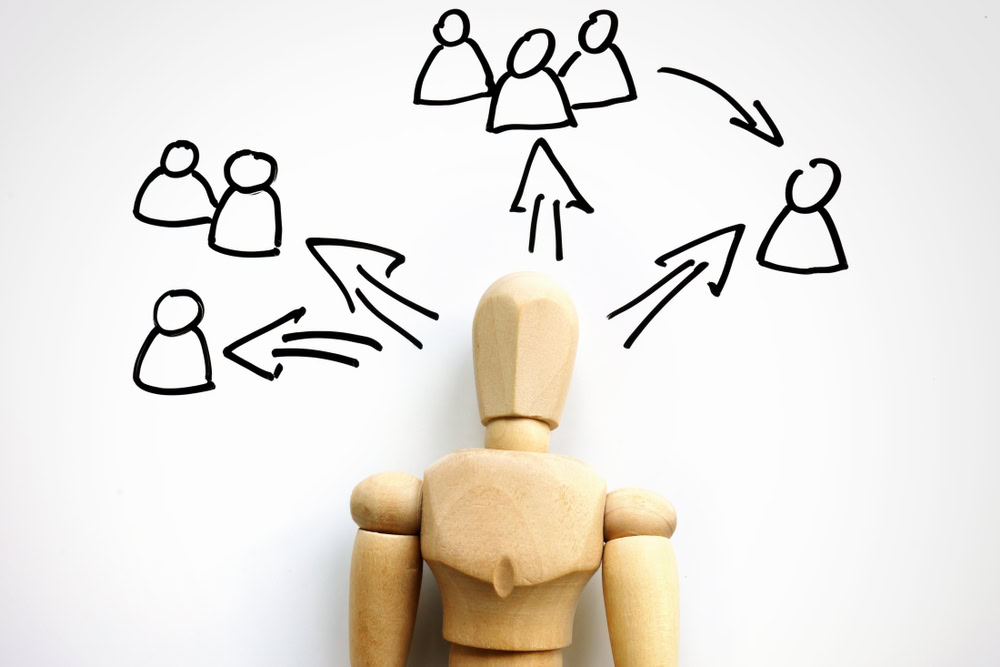

 

The Delegation Dilemma: Learn to Let go to Rise

I recently wrote about transforming negative self-talk, focusing on the stories we tell ourselves and how they often reinforce unhelpful beliefs that lead to self-sabotage. This got me thinking about leaders’ thoughts and behaviors around delegation. Leaders frequently create narratives that influence how they approach delegation, often to their detriment.

Many of these narratives are rooted in limiting beliefs that hinder the growth of both leaders and their teams. It’s crucial for leaders to reframe these narratives to empower their teams and drive collective success.

“It’s easier if I do it myself.”

“It will get done faster if I do it myself.”

“No one else can do it as well as I can.”

Leaders may believe that completing tasks themselves is faster or more efficient than delegating, especially if they think they can do it better or have more experience. This narrative often stems a lack of trust in the team’s capabilities, leading to concerns that others won’t meet their high standards.

At the Crux: 

Perfectionism is often at the heart of this belief. While the drive for perfection can lead to significant achievements, it can also create a trap, ultimately reducing performance and stifling growth. Leaders must find a balance between striving for excellence and allowing room for personal, team, and organizational health.

Reframe: 

Jumping in may save time now, but it will cost more in the long run—whether it’s in strained relationships, reduced efficiency, or hindered productivity. Investing time upfront to guide your team will pay off later. It’s about stepping back from the weeds to focus on the bigger picture.

“I don’t want to burden others.”

“I don’t have time to teach someone else.”

Leaders sometimes feel guilty about assigning tasks, especially if the tasks are challenging or time-consuming. They may believe their team is already overwhelmed—a narrative that has become more prevalent in recent times due to economic pressures, limited resources, and tight budgets. They also might think that the time required to train someone to take on a task outweighs the benefits of delegation, particularly in the short term. This belief can lead to underutilizing team members and stalling their development.

At the Crux: 

This belief often stems from a desire to please or high levels of empathy. Leaders may avoid delegation to prevent conflict or rejection, but this ultimately denies their team the opportunity to grow.

Reframe: 

Trusting your team with important tasks is an investment in their skills and the organization’s future. Your team wants to contribute, and by holding back, you’re not only depriving them of opportunities but also limiting the organization’s potential.

“I need to be involved in every detail to ensure success.”

“It’s my responsibility to handle everything.”

“I need to prove my worth by doing it all.”

“Delegating is a sign of weakness.”

Some leaders believe that handling everything themselves demonstrates their value to the organization or their team. This often leads to micromanagement, which is more about a fear of failure or loss of control than effective leadership. Founders, in particular, may struggle to let go, fearing that their absence will lead to failure.

At the Crux: 

Fear is a significant driver here—fear of failure, fear of not measuring up, and fear of losing control. When a leader’s identity is tightly linked to achievement, the constant pursuit of success can lead to burnout, both for the leader and the team. This is particularly concerning in today’s organizations, where burnout is alarmingly common.

Reframe: 

The more you let go, the more you and your team can grow. Delegating effectively allows leaders to rise higher within the organization and focus on strategic priorities, ultimately driving greater success.

Leaders often tell themselves stories that justify their reluctance to delegate. These narratives, whether driven by perfectionism, guilt, or fear, can limit both their growth and the development of their teams. By identifying the crux of these beliefs and reframing them, leaders can shift from a mindset of self-reliance to one of empowerment, enabling their teams to thrive and the organization to succeed. Effective delegation is not a sign of weakness—it’s a hallmark of strong leadership.


Melanie brings a dynamic journey that blends the experience of working across many organizations in various industries with the strategic wisdom of three decades in C-level roles Melanie Vargasin Organizational Development and HR. Her mission is to ignite her clients’ leadership prowess and help them unleash their full potential. Her career has been a thrilling ride through the uncharted territories of complex organizations and the nuanced landscapes of corporate leadership. She’s worn the hats of both the entrepreneur and the executive, giving her a profound understanding of the challenges and triumphs in these worlds. She understands the urgency, agility, and innovation needed to thrive in this ecosystem.

She has coached in organizations from startups to Fortune 50 such as Microsoft, ServiceNow, Johnson & Johnson, Varicent, Amdocs, Cyberark, Accenture, Brainly, Amdocs, Checkpoint, Centrical, Cedar, and Tealium.


Transforming Negative Self-Talk: Five Steps to Reframe Narratives

Brené Brown coined the phrase “The story I’m telling myself” in her book Daring Greatly. This concept is pivotal in understanding how our minds create and perpetuate negative stories. We all tell ourselves stories, but too often these stories are unhelpful and reinforce negative beliefs. Instead of seeking out evidence to disprove these narratives, we often look for proof that confirms them, which only deepens our distress.

Consider this scenario:

You’re in a meeting presenting material, and your boss harshly critiques your work. You walk away feeling terrible. Later, during a one-on-one, your boss is unusually curt. Instantly, your mind races, creating a story:

  • “He thinks I don’t know what I am doing.”
  •  “I am underperforming.”
  •  “I’m not good enough.”

These thoughts can spiral, leading to self doubt and a severe decline in your confidence and amplifying your inner critic. Sound familiar? Here’s a powerful five-step framework to help you reframe these narratives:

Understand the Narrative.

Gain clarity on the story you’re telling yourself. Reflect on its origins. When have you felt this way before? Often, these narratives have deep, family-rooted origins.

Challenge Your Story

You can’t trust your own thinking!

Recognize that our thinking can be flawed. Until you become adept at reframing, assume your initial thoughts might be incorrect. Examine your thought patterns and question the validity of your story. Often, there is little evidence to support it.

Seek Evidence

Identify the real evidence. In the example above, has your boss actually criticized your performance? High performers often have the harshest inner critics. Look for evidence where you have excelled and received positive feedback.

Reframe the Narrative

Once you’ve scrutinized your stories, consider how to reframe them. If evidence shows you’ve performed well, reinterpret the situation: “My boss was having a bad day” or “He’s being hard on me because he believes in my potential.”

Seek Feedback

If you’re still uncertain, get feedback. Instead of speculating, ask for clarity. For instance, you might say, “I noticed you were particularly critical in the meeting last week. Can you provide some feedback?” This approach can eliminate much of the anxiety fueled by your own stories.

By applying this framework, you can transform negative self-talk into constructive reflections, fostering a more positive and resilient mindset.

Melanie brings a dynamic journey that blends the experience of working across many organizations in various industries with the strategic wisdom of three decades in C-level roles in Organizational Development and HR. Her mission is to ignite her clients’ leadership prowess and help them unleash their full potential. Her career has been a thrilling ride through the uncharted territories of startups to Fortune 100 organizations and the nuanced landscapes of corporate leadership. She’s worn the hats of both the entrepreneur and the executive, giving her a profound understanding of the challenges and triumphs in these worlds. She understands the urgency, agility, and innovation needed to thrive in this ecosystem.

She has coached and consulted in organizations from startups to Fortune 50 such as Village Pet, Destination Pet, City Vet, Microsoft, ServiceNow, Johnson & Johnson, Varicent, Amdocs, Cyberark, WTIA, Accenture, Brainly, Amdocs, Checkpoint, Centrical, Cedar, Tealium, Rubicon, Novinium, Airtable, and Whitepages.

If you are interested in our workshops or executive coaching, reach out info@radicalignition.com.


Stress Reboot: Insights and Solutions

Studies show that our society is experiencing the psychological impacts of a collective trauma like post-traumatic stress disorder (PTSD). Stress, burnout, chronic health and mental health diagnoses continue to rise. A recent study from the American Psychological Association, Stress in America 2023: A Nation Recovering from Collective Trauma examines the lasting psychological impacts of this combination of era-defining crises. The study reviewed pre- and post-pandemic mental and physical health as signs of collective trauma among all ages. While we know the Pandemic ended a little less than year ago, and the return to “normal” has been celebrated by many, the studies paint a different picture.

We know that sustained and prolonged stress leads to chronic health challenges and mental health challenges. In addition, because of the effect of the physiological response on our bodies, we need to learn new coping strategies. In the workplace, we’ve also got more pressure than ever to do things fast. With inflation (decrease in resources), automation, AI, and changing technology serving as the root cause of some of this. This is confirmed by, a recent study by Gallup, which reveals that 76% of employees experience burnout at least sometimes.

It’s the most important time to develop new skills to manage stress, balance, and emotion regulation both at work and at home.


In October 2022, U.S. Surgeon General, released the first-ever Surgeon General’s Framework for Workplace Mental Health and Well-Being. The results of APA’s 2023 Work in America Survey confirmed that psychological well-being is a very high priority for workers themselves.

  • 92% of workers said it is very (57%) or somewhat (35%) important to them to work for an organization that values their emotional and psychological well-being.
  • 92% said it is very (52%) or somewhat (40%) important to them to work for an organization that provides support for employee mental health.
  • 95% said it is very (66%) or somewhat (29%) important to them to feel respected at work.
  • 95% said it is very (61%) or somewhat (34%) important to them to work for an organization that respects the boundaries between work and non-work time.

The net net is that organizations need to pay attention to well-being of their employees.

How does stress show up in our bodies?


The central nervous system consists of the brain, spinal cord, and all the nerves within the body. The autonomic nervous system is the part of the overall central nervous system that regulates involuntary body functions. The sympathetic and parasympathetic both control the same parts of the body and same general functions of the body, but with opposing effects.

Sympathetic is the nervous system responsible for your “fight or flight” responses in times of emergencies. It controls the body’s responses to stress, injuries, or perceived threats. A stressful situation, whether something environmental like a deadline or psychological like a worry about a relationship or a job loss can trigger a cascade of stress hormones that produce psychological changes. This can make your heart pound or your muscles tense. This reaction is known as the fight or flight response survival mechanism. It’s how we have evolved as humans to allow us to react to threatening situations quicky.

Unfortunately, the body can also overreact to stressors that are not life-threatening, such as traffic jams, work pressure, and family difficulties. When we stay engaged in fight our flight, we lose executive functioning. Thus, we are not making good decisions, we react poorly, this influences our relationships and our health.

Because of what has been happening in the world and in our lives, the Pandemic, Global conflict, racial injustice, inflation, and climate-related disasters – many of us are experiencing symptoms of fight or flight throughout the day and are not even aware of it.

Parasympathetic is the nervous system responsible for your “rest and digest” responses in times of non-emergencies. It controls the body’s responses at rest and helps your body regulate its normal daily organ functions. The parasympathetic nervous system is responsible for preparing the body’s reactions at rest and maintaining homeostasis. Homeostasis is when a body seeks to maintain a condition of equilibrium regardless of outside influences.

Believe it or not, you can actually trigger your parasympathetic nervous system.

So, what CAN you do?

Here are a few of our recommended proactive coping practices:

  1. Breathe: Take time center yourself and get in the present moment. Breathing is one of the easiest and quickest ways to get your body back to homeostasis. If you are in a stressful meeting, no one is going to notice if you stop to take a few deep breaths. This is also a great mindfulness tool. What are others you could lean into?
  2. Turn Challenges into Gifts: If you’re having a challenge in your life, how can you use this challenge as an opportunity to learn? Or can you look back to time when you had a difficulty – what did you learn? Often there are gifts to these challenging times. We don’t see them in the moment of adversity. When we can see these difficulties as experiences to learn, it eases our suffering. It also strengthens our resilience muscle.
  3. Gratitude: When we are stressed, we often quickly shift to a negative perspective. Where can you reframe some of those narratives? What do you have to be grateful for today?
  4. Self-care: It’s often when we are going through tough or stressful times, we through self-care right out the window. What is one thing you can do to put on your oxygen mask? Sometimes for my clients it’s as simple as self-discipline around start and stop times in their day or scheduled gym time.
  5. Sense of Humor: One of my personal favorites is laughter. How can you have more fun? You can experience difficult times and joy at the same time. I learned this the year my dad passed away – grief and joy can happen at the same time.

By understanding the physiological mechanisms of stress and implementing proactive coping practices, we can start to navigate the challenges of our time with an increase in resilience and fortitude. Embracing mindfulness, gratitude, self-care, and humor offers pathways to not only cope with adversity but also find moments of joy amid adversity, ultimately fostering a healthier and more resilient society.

With an illustrious career that has spanned more than two decades, Melanie Vargas has masterfully cultivated her craft as a C-level Human Resources and Organizational Development luminary. Her journey is defined by an unwavering commitment to unlocking boundless possibilities and orchestrating profound transformations within leaders and teams, all underpinned by a steadfast dedication to delivering concrete, results-oriented solutions.


Her coaching philosophy revolves around fostering thought-provoking and creative partnerships with her clients.  Whether it’s navigating critical strategic decisions, cultivating executive presence, fostering team cohesion, or enhancing interpersonal effectiveness, she is steadfast in her commitment to guiding leaders towards unparalleled success. She aims to guide her clients to explore new perspectives, question assumptions, and gain deeper insights into their goals and aspirations. Melanie is a frequently requested speaker inside organizations on topics such as resilience, change, and transition.

If you are interested in our workshops or executive coaching, reach out info@radicalignition.com.


Leading from the Fast Lane: Unveiling the Power of Coaching for Senior Executives

In the fluid and evolving realm of today’s organizations, the role of a senior leader is increasingly complex and challenging. While these seasoned individuals bring years of experience and wisdom to the table, they are not immune to the need for interpersonal and professional development. This is where the concept of senior leaders working with coaches comes into play, offering a powerful synergy that can transform not only individual leadership but also their teams and the entire organization.

Here are some of the common reasons executives may not see the value in coaching:

  • Time/speed: The business landscape is moving FAST. It places an even higher demand on senior leaders. This is the number one reason we hear senior leaders resist coaching. In this high-speed environment, there is a tremendous amount of pressure on senior leaders to gain market share or get their products to market first. They have demanding schedules, may claim that they simply don’t have the time for coaching, or they put their own development at the bottom of the list of priorities.
  • Self-Sufficiency: Another top reason is executives might feel they’ve reached a point in their careers where they believe they have all the necessary skills and don’t see the value in coaching. They are at the prime of their career or they have already used a coach in the past, so they don’t feel they need coaching.
  • Cost: Executive Coaching is expensive, and some organizations, especially early-stage ones, may balk at the investment, especially if they perceive it as not providing a sufficient return.
  • Resistance to Change: Executives, like anyone else, can be resistant to change. Behavioral change is hard, and coaching often involves addressing personal and professional weaknesses or growth areas. Some may resist this kind of self-improvement.
  • Ego and Overconfidence: A sense of ego and overconfidence can lead some senior leaders to believe they have all the answers and don’t need external guidance.
  • Fear of Vulnerability: Coaching can require individuals to open up, express vulnerability, and confront not just professional challenges, but also personal ones. We coach the whole person. Some executives may find this uncomfortable and prefer to avoid it.
  • Perceived Lack of Value: If executives don’t see concrete, immediate results from coaching, they may question its value and be inclined to discontinue it.
  • Mismatch with Coach: Sometimes, an executive have had a prior bad experience, chemistry, or may not align in terms of coaching style or approach, leading to resistance.

It’s important to note that these reasons don’t necessarily reflect the true value of coaching. Effective coaching can be a transformative experience, even for experienced executives. It’s crucial for both the coach and the executive to work together to address these concerns and ensure that coaching is a beneficial and constructive process.

Simply stated:

What got you here is not going to take you where you need to go!

Marshall Goldsmith


It’s one of the most crucial times in organizations and in the world for adaptable leadership and making investments in continued growth and development is essential for leaders at all levels.

The Senior Leader’s Dilemma

Experienced senior leaders often find themselves in a paradoxical situation. On one hand, they have successfully navigated their careers, accumulated a wealth of knowledge, and risen to the upper echelons of their organizations. On the other, they face the relentless pressure of staying relevant and effective in a fast-paced, ever-changing business environment. The expectations are higher than ever, and the stakes can be monumental. Just as I mentioned in my last blog From Burnout to Brilliance, our environments continue to evolve, as do the need for creative leadership strategies. These creative strategies come from the top of the organization. Bottom-up strategies do not yield transformational cultural change.

The Power of Fresh Perspectives

One of the primary reasons why senior leaders should work with coaches is the ability to gain fresh perspectives. Coaches can work as thought partners, offering an objective, outside viewpoint that can help senior leaders see their strengths, weaknesses, and opportunities more clearly. This external guidance can help leaders break free from ingrained habits and thought patterns, enabling them to make better decisions, adapt to new challenges, and continuously improve. Often senior leadership roles can feel lonely and working with a coach can provide a collaborative thought partnership, where the coach challenges and provokes divergent thinking.

Self-Awareness and Emotional Intelligence

Self-awareness and emotional intelligence are two critical components of effective leadership. Coaches can help senior leaders enhance their self-awareness, allowing them to better understand their own strengths, blind spots, and weaknesses. This heightened self-awareness can lead to improved emotional intelligence, a key element in building strong relationships and effective teams. Research has shown that emotional intelligence is one of the strongest predictors of performance, with around 90% of top performers exhibiting high levels of emotional intelligence. This is proven to be even more important in today’s organizations where there is a greater need for focusing on wellbeing, compassion, empathy, and understanding.

Developing Leadership Agility

The business world is no longer a predictable, linear journey. It’s a complex, interconnected web of challenges and opportunities. Senior leaders working with coaches can develop leadership agility, which is the ability to adapt and thrive in this uncertain environment. Coaches provide tools and strategies that can help leaders pivot, innovate, and lead with confidence in times of change. The world of leadership has changed and working with coach is the perfect way for leaders to help shift their leadership style to adapt to these changes. Coaches can help senior leaders build resilience for themselves and their teams.

Navigating Complex Relationships

Effective leadership often revolves around relationships, whether it’s with the team, stakeholders, or within the system. Coaches can offer valuable insights into building and maintaining these relationships, fostering trust, facilitating collaboration, or challenging the paradigm. They can guide senior leaders in addressing interpersonal conflicts and nurturing a positive organizational culture. In addition, partnering with the individual, coaches also partner with their teams to help foster healthy team dynamics that drive business success.

Driving Organizational Success

Ultimately, the success of an organization is heavily influenced by the effectiveness of its senior leaders. Coaches can assist in aligning a senior leader’s personal and professional growth with the organization’s goals. By focusing on leadership development, these leaders can inspire and motivate their teams to achieve higher levels of performance, innovation, and overall success.

In today’s rapidly changing and competitive business environment, the role of the senior leader is more vital than ever. By working with coaches, these leaders can harness their experience while adapting to the demands of the future. They can develop essential self-awareness, emotional intelligence, and leadership agility, all of which contribute to a stronger, more resilient organization. The importance of senior leaders working with coaches is clear: it’s a powerful partnership that can shape not only individual careers but the destiny of the entire company.

With an illustrious career that has spanned more than two decades, Melanie Vargas has masterfully cultivated her craft as a C-level Human Resources and Organizational Development luminary. Her journey is defined by an unwavering commitment to unlocking boundless possibilities and orchestrating profound transformations within leaders and teams, all underpinned by a steadfast dedication to delivering concrete, results-oriented solutions. 
Her coaching philosophy revolves around fostering thought-provoking and creative partnerships with her clients.  Whether it’s navigating critical strategic decisions, cultivating executive presence, fostering team cohesion, or enhancing interpersonal effectiveness, she is steadfast in her commitment to guiding leaders towards unparalleled success. She aims to guide her clients to explore new perspectives, question assumptions, and gain deeper insights into their goals and aspirations. Melanie is a frequently requested speaker inside organizations on topics such as resilience, change, and transition.

If you are interested in learning about our executive coaching services, reach out info@radicalignition.com.

From Burnout to Brilliance: How Mindfulness Can Transform Your Leadership

In today’s fast-paced world, leaders are constantly bombarded with information, tasks, and the pressure to keep up with the ever-evolving landscape. It’s easy for leaders to feel compelled to work tirelessly, pushing themselves and their teams to the limit. It’s crucial for leaders to recognize the importance of slowing down, taking breaks, taking time off, and practicing mindfulness.

The Changing Landscape of Leadership

AI continues to transform industries and leaders face new challenges and opportunities. While AI can automate certain tasks, it cannot replace the qualities that make a great leader: empathy, creativity, and the ability to inspire and motivate a team. By slowing down and focusing on these human-centric skills, leaders can harness the potential of AI without losing sight of their essential role. Rapid changes in technology and market dynamics require leaders to be agile and adaptable. The ability to pivot, make quick decisions, and learn from failures is crucial.

The COVID-19 pandemic accelerated the adoption of remote work, and many organizations are now embracing hybrid models. Leaders must adapt to managing dispersed teams, fostering collaboration, and maintaining employee engagement in these new work environments.

There is a growing emphasis on Diversity, Equity, Inclusion, and Belonging (DEIB) in the workplace. Leaders are expected to create inclusive cultures, address bias, and ensure equal opportunities for all employees. DEIB considerations are increasingly important for leadership effectiveness. In addition, managing a multigenerational workforce poses both challenges and opportunities for organizations, requiring strategies that catered to diverse perspectives and work styles.

In addition to leading teams and stakeholders from diverse cultural backgrounds, leaders must understand global markets, regulations, and cultural nuances, which is essential for effective leadership in a globalized world.

The well-being of employees is a growing concern. Leaders are expected to prioritize mental health, work-life balance, and overall employee wellness as part of their leadership responsibilities.

Slowing Down Leads to Productivity

Slowing down doesn’t mean becoming less productive; it means working smarter. Leaders who take time to plan, strategize, and reflect are more likely to make informed decisions. They are better equipped to adapt to the fast-paced changes in their environments.

In their article, How to Take Better Breaks at Work, by Zhanna Lyubykh and Duygu Biricik Gulseren, after analyzing more than 80 studies, they confirmed that that pausing work throughout the day can improve well-being and can also increase productivity.

Our Brains Needs Rest

Neuroscience teaches us that the brain, like any other part of the body, needs rest to function optimally. Continuous stress and overwork can lead to burnout, decreased cognitive performance, and even adverse health effects. Recent studies show that more than half of employees are feeling burnout which leads to low engagement and low productivity. In the context of leadership, this means that pushing yourself and your team to the brink of exhaustion is counterproductive.

The Role of Mindfulness

Mindfulness practices, such as meditation and deep breathing exercises, have gained significant attention in recent years. Neuroscience research supports their benefits for leaders. These practices help reduce stress and improve focus, cognitive capacity, and decision-making. By incorporating mindfulness into their daily routines, leaders can enhance their own well-being and set a positive example for their teams. We’ve fallen into a pattern of packed schedules, back-to-back meetings with no breaks, and not taking lunch hours. Remember the old days when we used to go to the gym during the workday? To combat this, many of my clients have started with simple practices such as taking their dog for a walk in the middle of the day or scheduling lunch into their calendars. Often a centering practice of taking a break from the computer, getting grounded and deep breathing can make a significant difference.

Setting the Example

Leaders must recognize that their behavior sets the tone for their teams. If they’re constantly rushing, multitasking, and take breaks in their day, their teams are likely to follow suit. On the other hand, leaders who prioritize self-care, pause, take time to rest and recharge, take time off, and practice mindfulness send a powerful message about the importance of work-life balance and well-being. They also set the tone for the importance of the practice of responding rather than reacting.

In conclusion, leaders who prioritize slowing down and practicing mindfulness in today’s fast-moving world and ever-evolving landscape are better equipped to navigate these challenges and serve as role models for their teams. By valuing well-being and human-centric leadership qualities, they can create a more sustainable and successful future for themselves and their organizations. Remember, leadership isn’t just about keeping up; it’s about leading the way with wisdom and balance.

In this rapidly changing landscape, effective leadership requires a combination of new leadership skills, adaptability, emotional intelligence, and a commitment to continuous learning. Staying informed about these trends and proactively addressing them is essential for leaders who aim to succeed in the modern business environment. It’s one of the most challenging times to be a leader and requires a commitment to deep self-exploration and development.

With an illustrious career that has spanned more than two decades, Melanie Vargas has masterfully cultivated her craft as a C-level Human Resources and Organizational Development luminary. Her journey is defined by an unwavering commitment to unlocking boundless possibilities and orchestrating profound transformations within leaders and teams, all underpinned by a steadfast dedication to delivering concrete, results-oriented solutions.

Her coaching philosophy revolves around fostering thought-provoking and creative partnerships with her clients.  Whether it’s navigating critical strategic decisions, cultivating executive presence, fostering team cohesion, or enhancing interpersonal effectiveness, she is steadfast in her commitment to guiding leaders towards unparalleled success. She aims to guide her clients to explore new perspectives, question assumptions, and gain deeper insights into their goals and aspirations. Melanie is a frequently requested speaker inside organizations on topics such as resilience, change, and transition.


Building Empathetic and Adaptable Leaders – Why This is Crucial to Your Evolving Organization

Our work environments and demographics continue to evolve. We have an aging workforce and the most generations we have ever had in the workforce. We have increased diversity, distributed and hybrid workforces, automation, and AI. This requires our leaders to show up differently.

In addition, studies show people are experiencing multiple kinds of stress, and studies show it is affected by the pandemic and the ways our lives and our work have been turned upside down. Recent burnout studies are showing that almost half of our employees are burned out (source), which leads to mental and physical health concerns. The pressure is on leaders to learn key soft skills to deal with employee burnout. Empathy and adaptability are two of the most critical skills for leaders to address these needs.

Why are adaptability and empathy essential skills for today’s leaders?

It isn’t new that adaptability is a critical skill for leaders. Our world is constantly changing; we have to assess new situations, make intelligent decisions, and implement them effectively. It is challenging for organizations to hire for and build adaptability in their leaders. It’s imperative that the leaders of today learn to live in ambiguous environments.

Adaptable leaders help to support and understand diverse and inclusive environments. As mentioned above, this is paramount in today’s organizations.

Adaptable leaders are more resilient. Resilient people can bounce back after adversity. We’re able to recover and learn from our mistakes. As leaders, we must be flexible, open, adaptable in our thinking and in our general openness in the lives of the people around us.

“Empathetic people are superb at recognizing and meeting the needs of clients, customers, or subordinates. They seem approachable, wanting to hear what people have to say. They listen carefully, picking up on what people are truly concerned about, and respond on the mark,”

Daniel Goleman, Primal Leadership.


Daniel Goleman also says there is no correlation between IQ and empathy. Something to really think about as you are building your job descriptions and thinking about Emotional Quotient versus Intelligence Quotient. Empathy is the key factor of emotional intelligence. Lastly, emotional intelligence has a 58% influence on job performance and 90% of top performers at work have high emotional intelligence (EQ) (source).

Empathy is the foundation to building psychological safety in teams. The truth is that many leaders do not realize the impact that their words have on people’s willingness to speak up or put forward their ideas for fear of humiliation. This is especially true on engineering teams. Also, Leaders with empathy perform over 40% higher in employee engagement, decision-making, and coaching. (source)

5 Essential Leader Strategies for Building Adaptability and Empathy

  1. Let go of your attachments – Learn to practice acceptance. (Attachments want things to stay the same. Acceptance allows you to let go). Practice mindfulness or meditation. (This allows you to stay in the moment versus worrying about the future or the past)
  2. Learn from different people and different ideas – Use group brainstorming to gain perspectives. (Your idea is not the only idea)
  3. Reframe your thoughts – When faced with unexpected situations that initially inspire gloom, train yourself to reinterpret the situation. Focus on turning the challenge into a gift (What can you learn from this challenge?)
  4. Embrace challenges and embrace mistakes – Challenges can be gifts. Mistakes are opportunities to learn and improve.
  5. Be okay with pivots – Pivots are necessary to remain competitive. While they can be frustrating, they are also required in a VUCA world (volatility, uncertainty, complexity, and ambiguity)

Empathy

  1. Put yourself in their shoes – try to understand their situation and how it must have felt if you were them.
  2. Be curious – Move from Boss to Coach. Ask open-ended questions like “How did you feel?” and “How can I help?”
  3. Practice Active Listening – Maintain eye contact, listen non-judgmentally, don’t jump in to offer solutions or fixes, stay focused on the rest of this process.
  4. Keep the focus on them – Maintain eye contact. Do not switch the focus too quickly to work. Do not jump in to fixing or telling a story about yourself (this is sympathy).
  5. Validate their feelings by using validating statements – You don’t have to agree with them to offer validation. “Sounds like you are worried,” “I can see how hard you are working,” “Wow, that must have made you so angry,” “That must have been so hard for you.”

Lastly, be clear about the difference between “sympathy” and “empathy.” Brené Brown describes sympathy as a way to stay out of touch with our own emotions and make our connections transactional.

Merriam-Webster defines sympathy as “the feeling that you care about and are sorry about someone else’s trouble, grief, misfortune, etc.” They may share “helpful” advice, which could make the person struggling feel unheard and unsupported.

Merriam-Webster defines Empathy as “the feeling that you understand and share another person’s experiences and emotions” or “the ability to share someone else’s feelings.” It is looking at things from another person’s perspective and attempting to understand why they feel the way they do.

Here’s a short Brené Brown video on empathy versus sympathy. She says that “empathy fuels connection and sympathy drives disconnection.”

If you are looking to hire new leaders, here are some of my favorite behavioral-based interview questions that you can add to your interview process to assess adaptability and empathy:

Adaptability:

  • Share an experience when you had to work with a group of diverse individuals with different working styles or backgrounds? How did you adapt your leadership approach to effectively collaborate and achieve team goals Situation/Action/Result
  • How do you handle feedback and criticism? Give me an example of how you’ve used feedback to adapt your approach or improve your performance as a manager. Why/Effect/Action
  • Describe a time when you faced resistance from your team regarding a change or new initiative. How did you address their concerns and motivate them to embrace the change? Situation/Change/Reaction/Result

Empathy:

  • How do you approach understanding the needs and concerns of your team members? Can you provide an example of a situation where you actively listened and responded empathetically? Situation/Result
  • How do you handle conflicts within your team? Can you describe a time when you used empathy to resolve a difficult situation? Situation/Result
  • What strategies do you employ to create a psychologically safe, positive, and inclusive work environment where everyone feels valued and supported? Situations/Results

Building empathetic and adaptable leaders is vital for organizations in today’s ever-changing work environments. The shifting demographics, increased diversity, and the influence of automation and AI demand leaders who can show up differently. Empathy and adaptability are crucial skills for addressing these needs. Adaptable leaders are resilient, able to bounce back from adversity and learn from mistakes. By prioritizing empathy and adaptability in the hiring process and employing strategies such as letting go of attachments, reframing thoughts, and active listening, organizations can cultivate empathetic and adaptable leaders who foster inclusive and engaged environments and drive success.

High Impact Leadership During Change and Transition

As 2022 is coming to an end, I’ve been reflecting on the many shifts I’ve had the last few years – both professionally and personally. As a leader, one of your greatest challenges will be to successfully manage transitions. Simply said, transitions are the human side of change – the psychological reorientation of change. Transitions are how we effectively learn to let go of the past, accept the present, and focus on the future. Leaders most often focus primarily on the change itself, without giving enough thought to the the psychological side of the change (the human condition). In our experience working inside organizations managing change and transition, it’s the transition, and not the change itself, that most people resist.

In general, we have difficulty letting go of the past and the way things used to be. It’s saying goodbye to the way things used to be and what has been lost. We all show up differently this way. Also, our brains dislike uncertainty. We saw this during the Pandemic. Often, employees will complain about the way things used to be or the changes in place for months or even years to come. This can prevent people from moving forward. We see this when we work with organizations on acquisition integrations. We want our leaders to learn how to ensure psychological safety in their teams which ultimately reduces anxiety, chaos, and frustration. This way employees can best move through the transition which leads to credibility and trust.

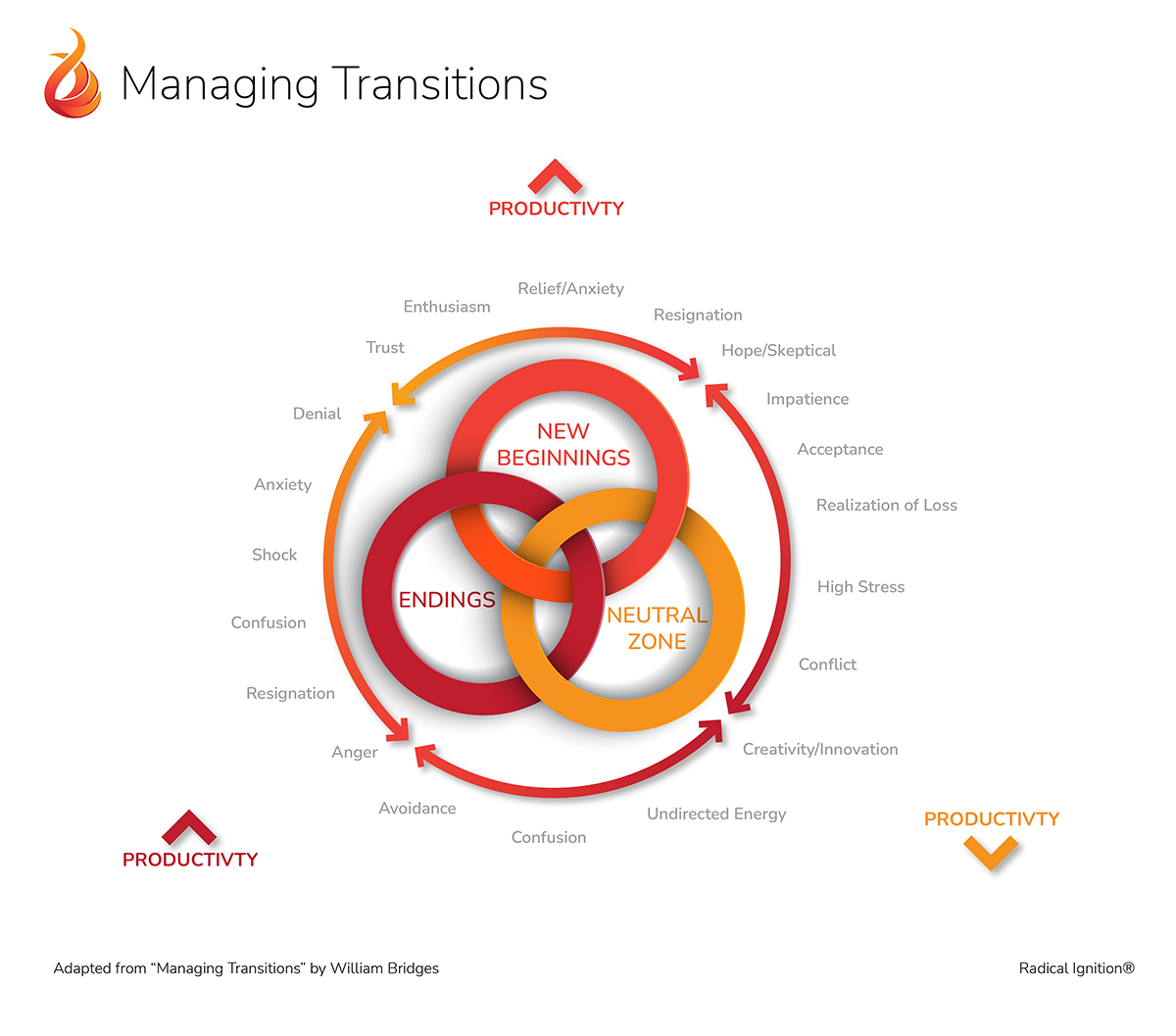
In 2020, we adapted this model based on William Bridges Model “Managing Transitions”:

Bridges says that transitions begin with an ending.

The first phase is when “people identify what they are losing and learn how to manage these losses.” according to Bridges. Recently, after I experienced my own loss, I revisited this model. I realized it isn’t a linear process. At times I felt I was in the Neutral Zone nearing my New Beginning, yet suddenly I would feel anger and denial again – cycling back to the Endings Zone. I started to see this model in more of a cycle so we created this new model:

There are different levels of productivity in each zone. When I realized I was in transition again, I was sad and almost depressed for weeks. At first, I was shocked at what had happened in my life. Then I wanted to reject it – but couldn’t. Next, I got angry. When the anger phase hit, it was sort of a relief, because I felt extremely productive. When things are ending, this is often what is happening. We have a hard time letting go, we are in denial, and we might feel angry. We might have a new sense of energy.

Bridges says, “The Neutral Zone is the very core of the transition process. This is the time between the old reality and sense of identity and the new one. People are creating new processes and learning what their new roles will be. They are in flux and may feel confusion and distress.”

The neutral zone is the seedbed for new beginnings.

We see the Neutral Zone as the “messy middle”. It’s also where creativity and innovation can happen. If you look back to 2020, when companies were pivoting and creating new business models – they were in the “messy middle”. Productivity was low and many were not producing a lot of revenue. However, it was an amazing time of innovation, and many organizations were able to create new products and shift their strategies.

One of the first things you can do as a leader is to plot yourself on the model and ask yourself what you might be feeling. Secondly, make sure to practice self-care.  Next, check in with everyone on your team. Remember that everyone shows up differently, and more than likely, everyone will be in a different place. We all handle change in different ways.  Lastly, show people you care by validating how they feel. The more curious you can be, the better. After we’ve checked in with everyone on the team, the next challenge is to help pull them along the cycle ultimately getting them to a New Beginning state and to learn to trust again. It comes with a tremendous about of relief and maybe a little anxiety for most people.

Whether it’s a change at work or at home, transitions can be impactful and come with many emotions.  The more you are aware about your own feelings during transition along with your teams, the more you can show you care ultimately leading them around the cycle to trust.

Melanie VargasMelanie is the Chief People Officer of HaptX, Inc and Founder & CEO of Radical Ignition, Inc.  In her 25-year career, Melanie has developed a passion for unleashing human potential and creating pathways for people to be their best. Melanie’s successful track record having worked across hundreds of technology organizations in her consulting career gives her a great perspective as a speaker, facilitator, leadership coach and HR leader.

Feeling stuck? How to push through the Doldrums and recognize the gift of changing seasons

Fall in the Pacific Northwest is absolutely stunning. When I moved here from Texas 25 years ago, I fell in love with this time of year. When the leaves start to turn each year, I am reminded of the many gifts of change and transition. I am also reminded of endings and new beginnings – the change of the seasons in our lives. With the fall each leaf, I know that something beautiful is on the other side.

Gallup recently released a study that says, “quiet quitters make up at least 50% of the workforce”. I’m fascinated by the idea of quiet quitting. I will often hear from someone because they “feel stuck” and they want to engage a coach to help them. They’ve suddenly lost their motivation, they lack confidence, they have zero energy, they lack in self-care, they feel resentful and sometimes even angry. They don’t know where to start. They feel trapped. They lack direction.

This, my friends, is the:

The Doldrums

No alt text provided for this image

I wonder how many quiet quitters are in the Doldrums? I learned about this life chapter, “The “Doldrums” and the “Cycle of Renewal” when I was going through my executive coach training at the Hudson Institute of Santa Barbara. At the time, I was in the Doldrums. I couldn’t understand what was wrong with me. I was feeling my inner critic and imposter syndrome stronger than I had in years. I lacked confidence. I could not make any decisions. I felt stuck. I’ve learned that you can be happy and fulfilled in one area of your life (i.e., your personal life), and in the Doldrums in your professional life – or the other way around. It felt so validating to finally have a description for how I was feeling. Once I was able to put a label on it, I felt so relieved. I knew in an instant, I had to do something about it.

In The Adult Years, Fredrick Hudson defines the Doldrums as “I. a state of inactivity or stagnation; 2. a dull, listless depressed mood; low spirits.”  He further states, “Out of your own success have come forces that are now working against you, and you begin to question whether the “success and happiness” that you have achieved are lasting friends. Instead of enjoying your plateau as the success you deserve, you feel like you are treading water to avoid drowning…The problem is, most people would rather remain stuck in a familiar world that is declining in enchantment than risk moving ahead into unknown conditions to find a new life challenge.”   I can confirm that in my own situation, I stayed in the Doldrums far too long, and we see this inside the organizations we work in as well. People can stay stuck for months and even years.

Now to unpack some of this and help offer some simple tips on how to push past the Doldrums. Guess what? You don’t have to remain there long!

Do what’s uncomfortable and discover what’s possible.

-Susan Mann


Once you see something, it’s hard to unsee it. If you are willing to explore it, you can see the possibilities. One of the best things to do here is to actually do something! Fredrick Hudson has some great suggestions for managing the Doldrums in his book, such as “taking evening courses, seeking therapy, take up new hobbies, or join a professional organization.”

Here are my top three recommendations:

  1. Make a list of your gifts and talents that bring you joy and energy – and ignore the ones that drain you. This was pivotal work that I completed with my coach, Susan Mann, when I was going through my coach training.
  2. Identify your core values and passions.  Your values will anchor you and guide you, particularly during difficult times and times of change. Taking the time to get clarity on these will help you.
  3. Create generative space for yourself right now in your life.  Focus on self care and setting boundaries. It could be boundaries need to start with yourself first. It could be a simple commitment to start and stop times in your day. It could be a mindfulness practice throughout your workday to keep yourself present in the moment.

Sometimes amazing change can happen right where you are. It doesn’t require divorce, quitting your job, or even a sabbatical. Minor tweaks can make a significant differences in your life to help push you through the Doldrums. Self-searching and reflection are the best way to find your inspired future. It’s also helpful to hire a coach – someone who specializes in transitional coaching. Thanks to the amazing coaching I received, after a period of time spent in “cocooning”, amazing and creative energy started to bubble up in “getting ready”, which led to my own amazing transition to launching Radical Ignition. Amazing things ignite when you can create generative space.

Recognizing the gifts of changing seasons in our lives requires acceptance of endings as we move to new beginnings. Something new can’t happen if we can’t welcome and accept the beauty of the end. I often wonder if one of the key reasons we stay stuck is fear of the uncertain. And yet, how will we ever know what a new beginning will look like if we don’t honor the end?  Hudson writes: “Endings are symbolically the acceptance of death as reality, yet most of us spend our lifetimes denying the many little deaths that we experience in the form of losses. Our endings, more than our beginnings, keep us committed to living as fully as we can. Letting go of what is not working in your life creates the opportunities for making improvements and new beginnings.”


Melanie is a frequently requested speaker on resilience and the Founder & CEO of Radical Ignition, Inc., an executive coaching and training firm. 

In her 30-year career, Melanie has developed a passion for unleashing human potential and creating pathways for people to be their best. Melanie’s successful track record having worked across hundreds of technology organizations in her consulting career gives her a great perspective as a speaker, facilitator, leadership coach and consultant. 

If you are interested in our workshops or coaching, please reach out at info@radicaligniton.com.

What I Learned from my Dad about Facing Fear: How to Let Your Values Guide the Way

There has never been a time when fear has been at the forefront of a decision that it’s turned out to be a good one. One of my favorite coaching questions is:

“What would it look like if fear were not in the way?”


My dad went to the Colorado School of Mines with a degree in geophysical engineering. He subsequently had a thriving career in the oil and gas industry. As the oil and gas industry started to decline, he had the foresight to realize a career shift was needed. He didn’t stay stuck. At the time, I didn’t appreciate these hard choices he was making. I remember watching as he was self-studied software development. He later landed a software engineer role at NASA in the late ‘90s at the age of 60.  He never let fear stand in the way of achieving his goals. He didn’t stay stuck.

When I have tough decisions to make, I look at what key factors a need to be considered for the decision to be made. How are these factors aligned with my core values?

When I wrote the blog three years ago, Getting You and Your Business to the Top of the Game, I wrote about my own journey with career transition. I can see now how interwoven my core values were in these decisions.

Our values can serve as an anchor during times of uncertainty. When our actions are not aligned with our values it doesn’t feel good. We might say “this doesn’t feel right” or “this behavior isn’t me”, which is an indicator that our actions don’t reflect our core values. Something for us to really pay attention to during times of change or uncertainty.

Your values can be a source of strength when you are aware of them especially during times of great change and uncertainty. I usually work with my clients on a values exercise that helps them to identify their core values. Do you know your values? Here is a great values tool from Think2 Perform® if you’d like to explore your own core values.

Melanie is a frequently requested speaker and  Founder & CEO of Radical Ignition, Inc., an executive coaching and training firm. She is also the VP of People of HaptX, Inc. 

In her 25-year career, Melanie has developed a passion for unleashing human potential and creating pathways for people to be their best. Melanie’s successful track record having worked across hundreds of technology organizations in her consulting career gives her a great perspective as a speaker, facilitator, leadership coach and consultant. 

If you are interested in our executive coaching or workshops, please reach out at info@radicaligniton.com.

Chat bubble icon

Radical Values Exercise

Coaching Tool
Our values can serve as an anchor and source of strength when you are aware of them especially during times of change. Use our tool to discover your core values.

Coaching icon

How I Want to be Coached

Leadership Coaching Tool
Clarify your needs and expectations with direct reports! The more clarity and alignment you have within your working relationships, the better your chances for a productive and enjoyable experience that flourishes.

This field is for validation purposes and should be left unchanged.